
Building a practical cleaning schedule for a nursery or day-care setting
Plan the cleaning around children, activities and daily responsibilities, with a clear scope for your contractor.
By Sanitra4 minute readSources checked 24 November 2026
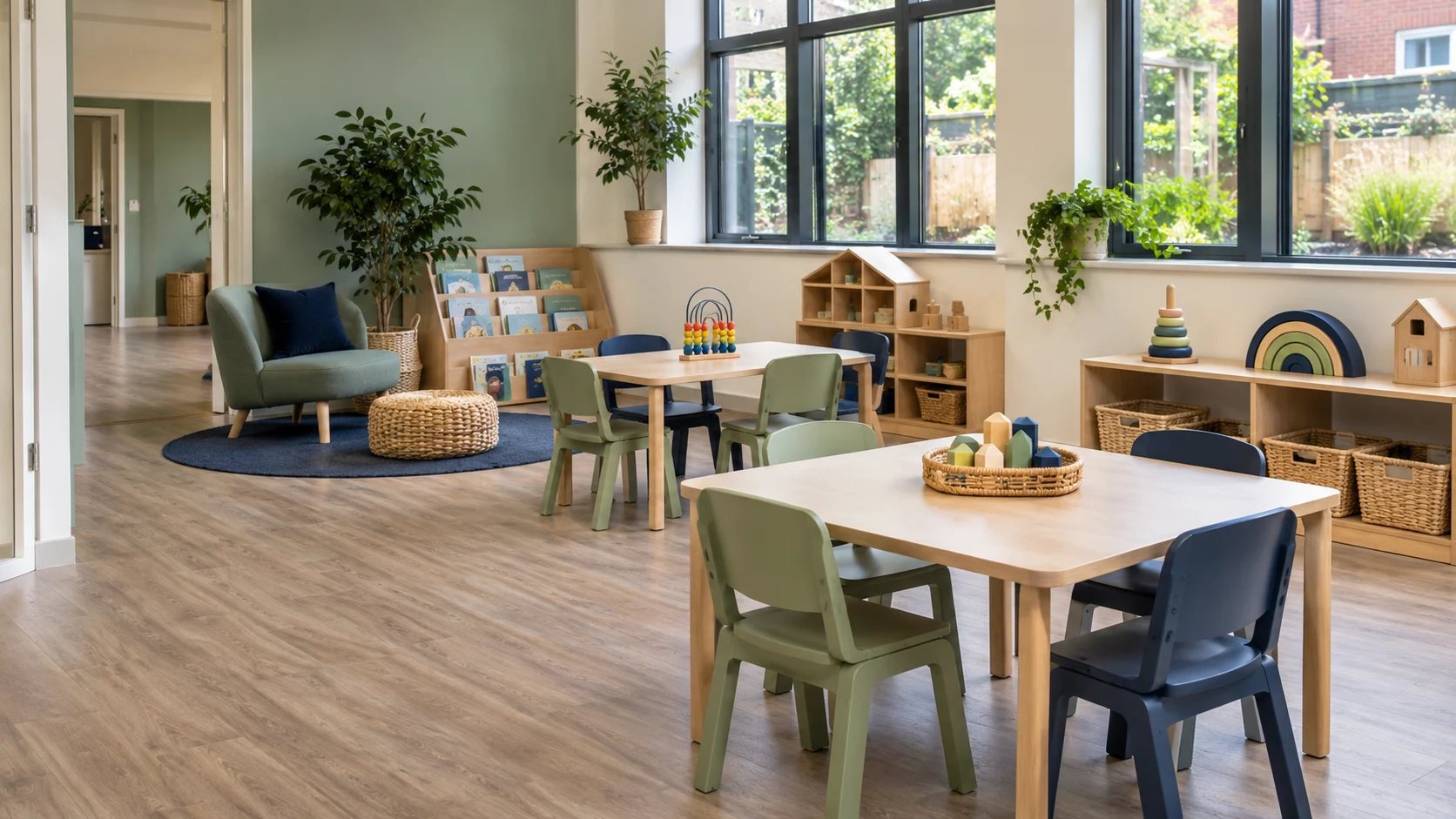
A nursery cleaning schedule works best when it describes the task, frequency and responsible person for each area. UKHSA recommends this clarity, together with daily, weekly and periodic planning. Its guidance also recognises that additional cleaning may be needed during an outbreak under local health-protection advice. Your contract should fit those arrangements and the nursery's day-to-day operation. UKHSA infection-prevention guidance
Why the routine deserves attention
UKHSA identifies cleaning as part of reducing infection transmission in children's settings. UKHSA cleaning guidance
A practical plan also gives staff a clear starting point for the next session. An agreed task can address dried activity marks on a suitable table, tracked-in dirt by the entrance or crumbs on an accessible floor. Naming the surface and expected finish makes it easier to check the result and discuss anything still requiring attention.
That clarity supports the nursery's daily organisation. The manager can see which areas the contractor covers, which items staff prepare and who handles immediate needs during opening hours. When a room changes use, the schedule provides a straightforward place to record the new arrangement.
Follow the children's day through the building
Think about the spaces children and adults use from arrival to collection. Entrance areas, activity rooms, toilets, changing spaces, meal areas and staff rooms all have their own routines. A site walk with the nursery manager can identify how these areas change during the day.
Put the room names used by staff into the cleaning schedule. Add any spaces that are temporarily inaccessible during naps, activities or collection. This gives the contractor a plan they can follow and gives your team a common language when reporting a concern.
Allocate the work that happens between visits
A contracted evening visit is one part of a nursery's wider hygiene routine. Agree who is responsible during opening hours and how immediate issues are handled. Put the contractor's agreed tasks beside the nursery team's responsibilities so any gaps become visible.
Decide who prepares rooms for cleaning, deals with personal belongings and confirms that surfaces are accessible. Where activities leave materials out overnight, explain what can be moved and what should be left in place. These decisions save staff from resolving the same uncertainty after each visit.
Be precise about toys and soft furnishings
UKHSA highlights the particular challenges of early-years settings, including shared toys, frequently touched surfaces and soft furnishings. It also recognises the close contact common in this age group. The cleaning plan needs to consider the actual items and activities within the setting. UKHSA early-years guidance
List whether toys, play equipment, mats and soft furnishings are included in a contractor's scope or managed by nursery staff. For any proposed work, make care instructions available and agree preparation, access and return to use. A generic room-cleaning description leaves these decisions unclear.
Plan product and equipment storage
Identify the available storage space before work begins. Discuss access control, the items that will be stored, delivery arrangements and what happens when supplies are replenished. Keep the plan consistent with the nursery's safeguarding arrangements and the assessed cleaning method.
HSE's guidance for cleaners includes safe storage, suitable work techniques and task-specific controls for exposure to cleaning products. Product and method choices should be assessed for the work being carried out. HSE cleaning-chemical guidance
Ask who will keep the product information available and who can approve a substitution. This is useful when a contractor changes a product or the nursery introduces a new surface, room or activity.
Use quieter periods for planned additional work
Periodic cleaning can be easier to organise when you decide the areas and dates in advance. Consider the tasks that need furniture moved, rooms cleared or additional time before the space is used again. Agree each item with the contractor and include any preparation your team will provide.
If the nursery remains open, plan which areas can be worked on and how children and staff will move around them. If a holiday closure is available, confirm access and the date the building must be ready. Keep the expected result and handover arrangements in writing.
Common questions
Does an evening cleaning contract cover every hygiene task?
Check the written scope. Your nursery team will need clear arrangements for the activities and immediate issues that arise during the day. Include both responsibilities in the overall plan so the contract fits smoothly around the setting's routines.
Can toys be included in a cleaning contract?
Discuss the specific items, their care instructions and the proposed process. Agree who prepares and returns them, the frequency, and any access requirements. Confirm the contractor's capability and the precise scope before treating the task as included.
What happens when extra cleaning is needed?
Keep a named contact and an approval process in place. Explain the situation and the guidance your setting has received, then agree what work is required, who can undertake it and how access will be arranged.
Plan around your setting
Tell Sanitra about your rooms, opening pattern and current cleaning arrangements. The discussion can identify a practical contract scope that fits your nursery or private day-care setting. [Make a cleaning enquiry](/contact)
Sources and further reading
Sources from NHS England, CQC and UKHSA relate to England where specified. Apply the requirements and local policies relevant to your premises.
Related pages
Tell us about your premises
Share your building and priorities, and we can discuss the cleaning contract you have in mind.